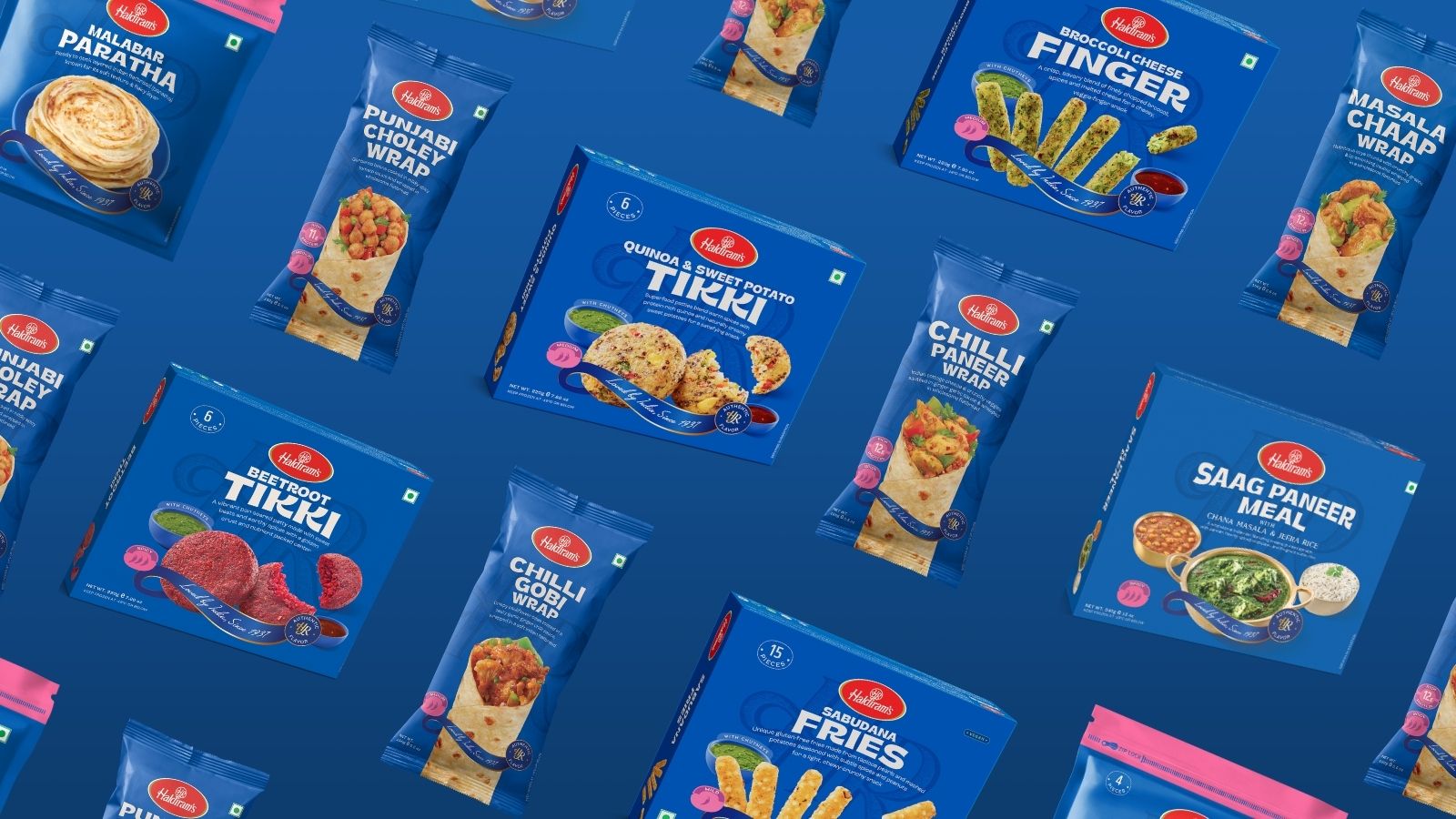
KeHE Compliance for Emerging Brands: Scorecards, Deductions, and PO Risk
KeHE compliance forces emerging brands to manage fill rate, case accuracy, EDI, deductions, item setup, routing, and invoice reconciliation before small misses become cash leakage.
Read Article →
How to Build a 30/60/90 Retail Operations Roadmap
A retail operations roadmap turns audit findings into sequenced fixes across chargebacks, EDI, inventory, scorecards, freight, invoices, and ownership.
Read Article →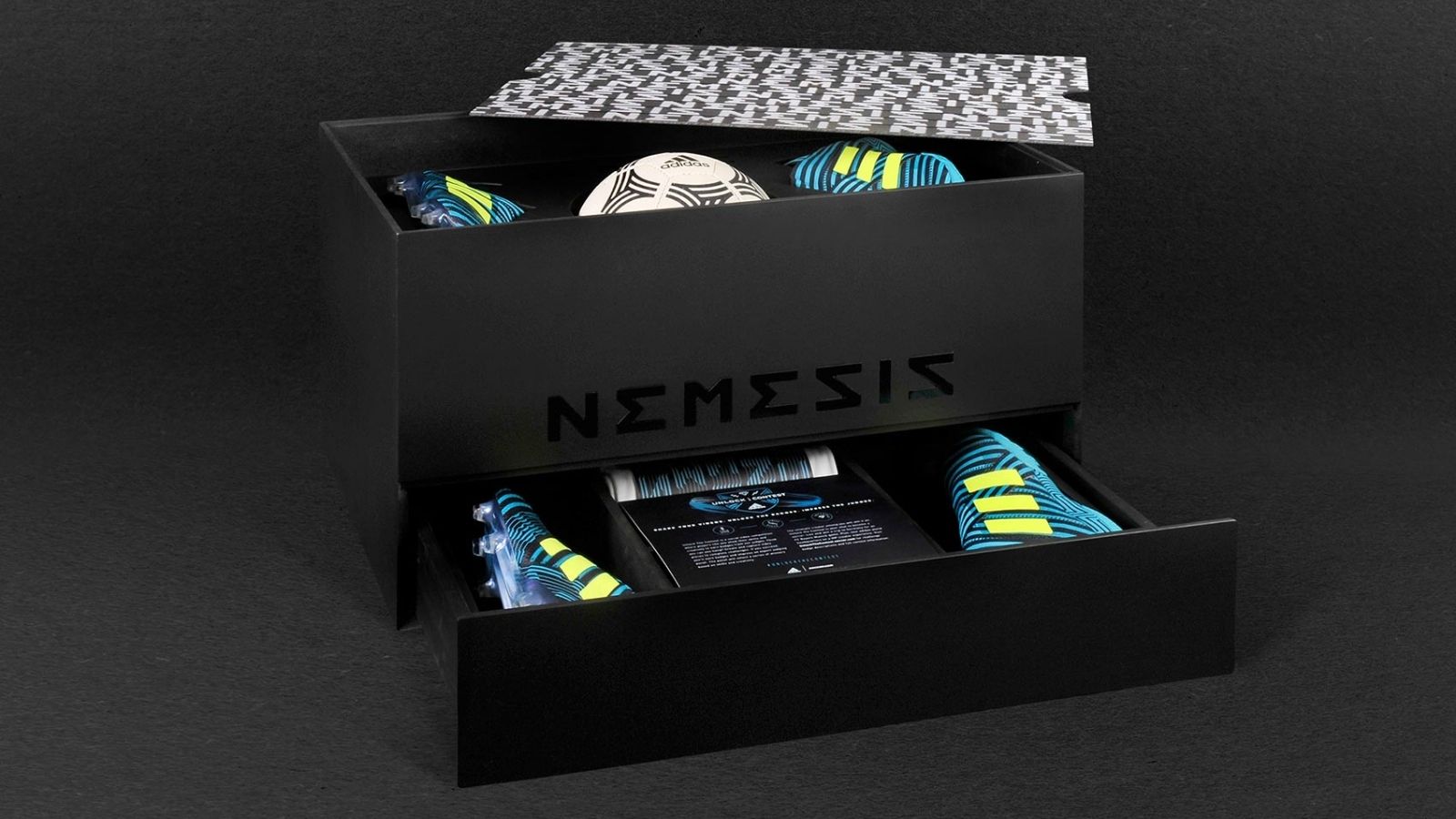
When to Move from Small Parcel to LTL in Retail Distribution
Small parcel vs. LTL decisions should be based on shipment value, retailer requirements, pallet efficiency, damage risk, handling cost, and operational complexity.
Read Article →
Packaging Overhaul Roadmap: Phase a 6-12 Month Redesign Without Breaking Launches
A packaging overhaul roadmap phases redesign, sourcing, validation, inventory runout, launch timing, and sustainability decisions so active operations do not break.
Read Article →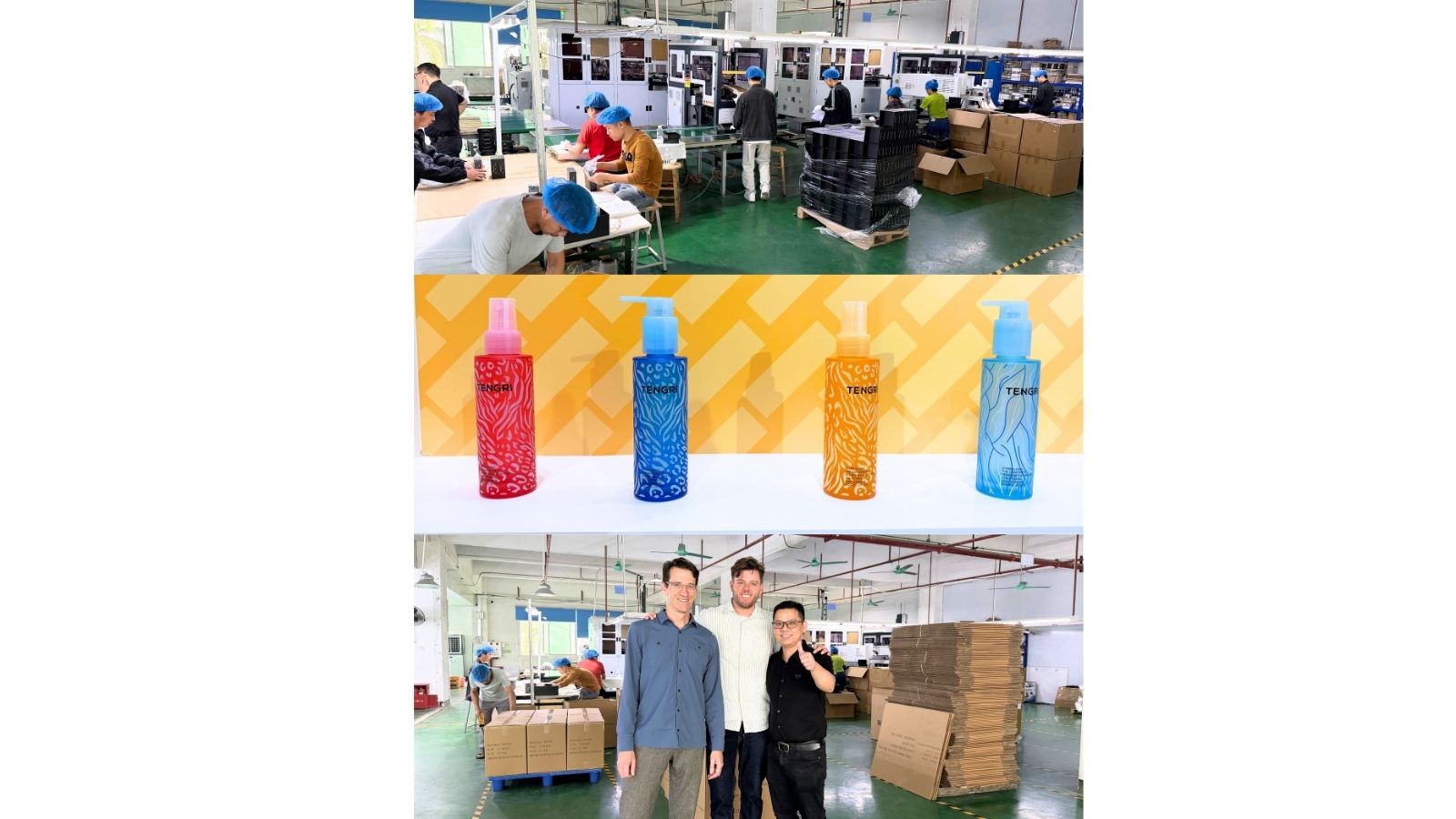
One Partner for Packaging Design and Supply Chain: When the Split Model Breaks
An integrated packaging partner reduces handoffs when brands need creative direction, sourcing, production, compliance, cost control, and launch timing managed together.
Read Article →
Retail Operations Audit: What It Should Find Before Chargebacks Compound
A retail operations audit should find the scorecard, chargeback, EDI, inventory, freight, and invoice issues that quietly compound before retail growth breaks margin.
Read Article →Why a 98% Fill Rate Can Still Look Bad on a Retail Scorecard
A retail fill rate scorecard can make strong execution look weak when canceled POs, substitutions, short shipments, and timing rules are not reconciled correctly.
Read Article →SPS Commerce Integration: What Brands Should Fix Before Go-Live
SPS setup is not complete when the account connects. Brands need item setup, labels, ASNs, invoices, routing, warehouse handoffs, and exception ownership before go-live.
Read Article →
Packaging Cost Reduction Case Study: Cut Cost Without Killing Brand Feel
Logic materials identify Artilect as a proof point for 20% packaging cost reduction and 95% material reduction without weakening the brand experience.
Read Article →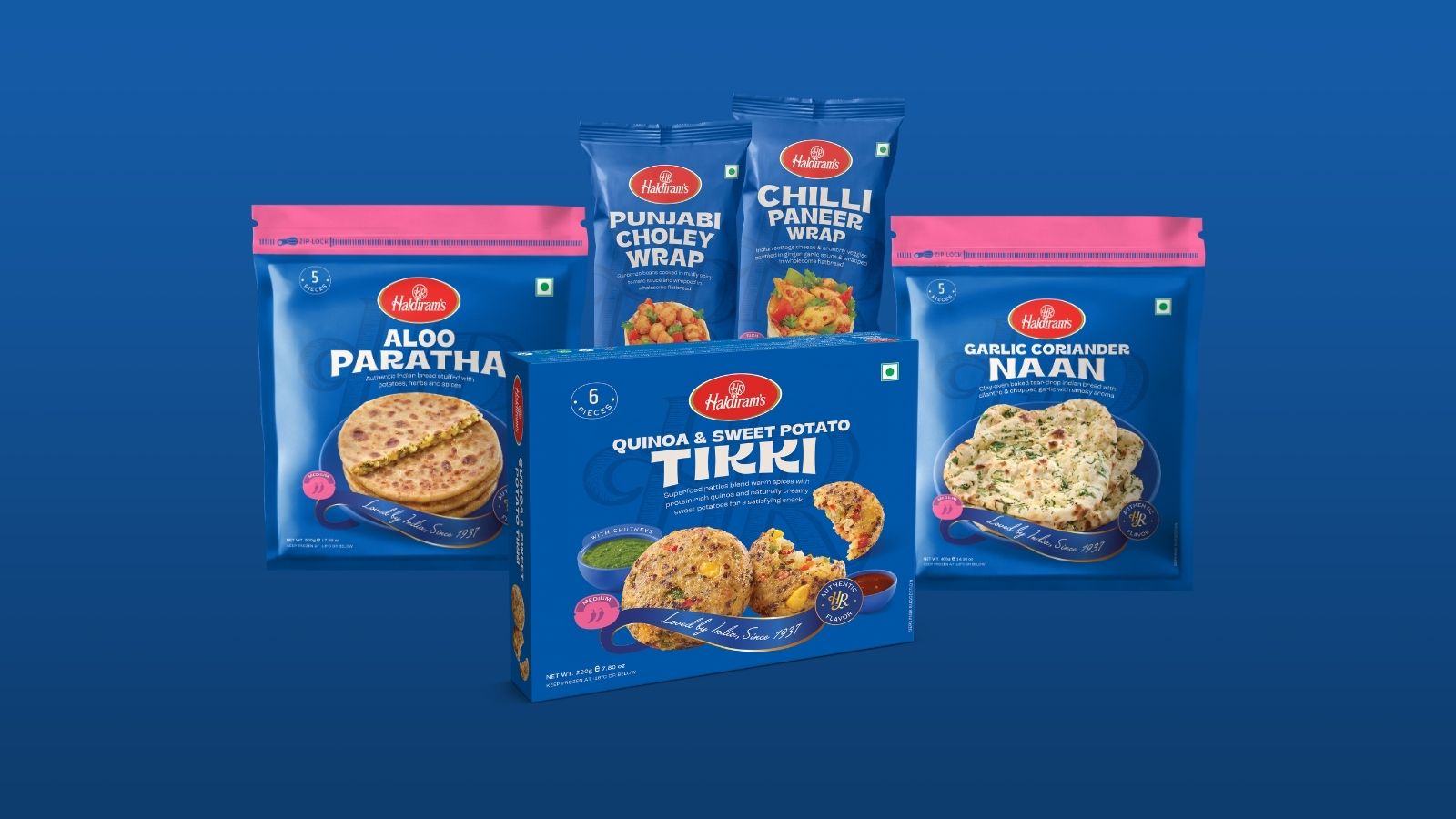
Global Brand US Market Entry: What Retail Packaging and Ops Must Solve First
US retail entry requires packaging adaptation, compliance, channel planning, inventory, buyer readiness, and launch execution before a global brand can scale.
Read Article →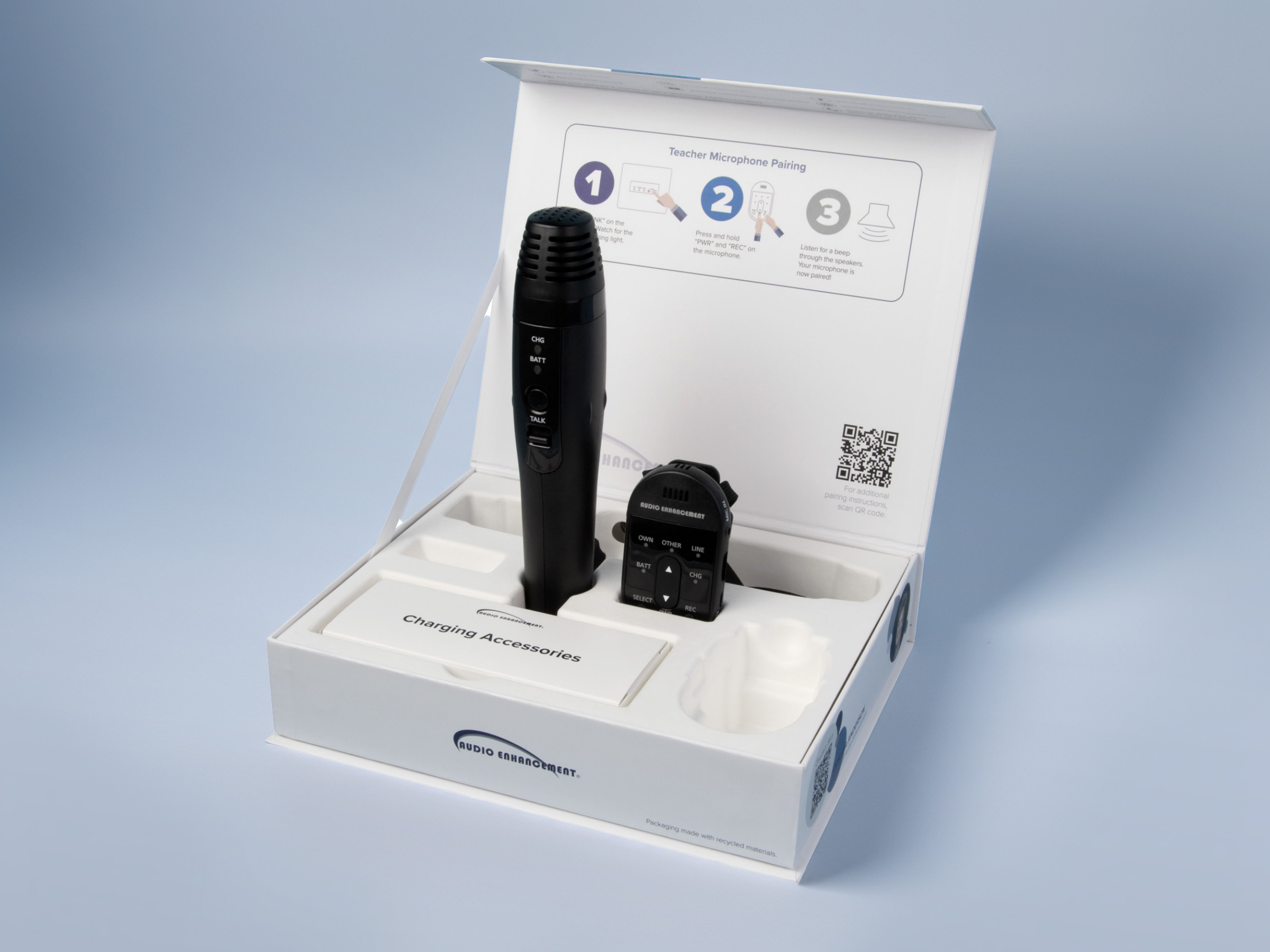
Supplier Transition Strategy for Scaling Consumer Brands
A supplier transition should start before quality drift becomes customer-facing. The safest path runs containment, new supplier qualification, and pilot-run QC in parallel.
Read Article →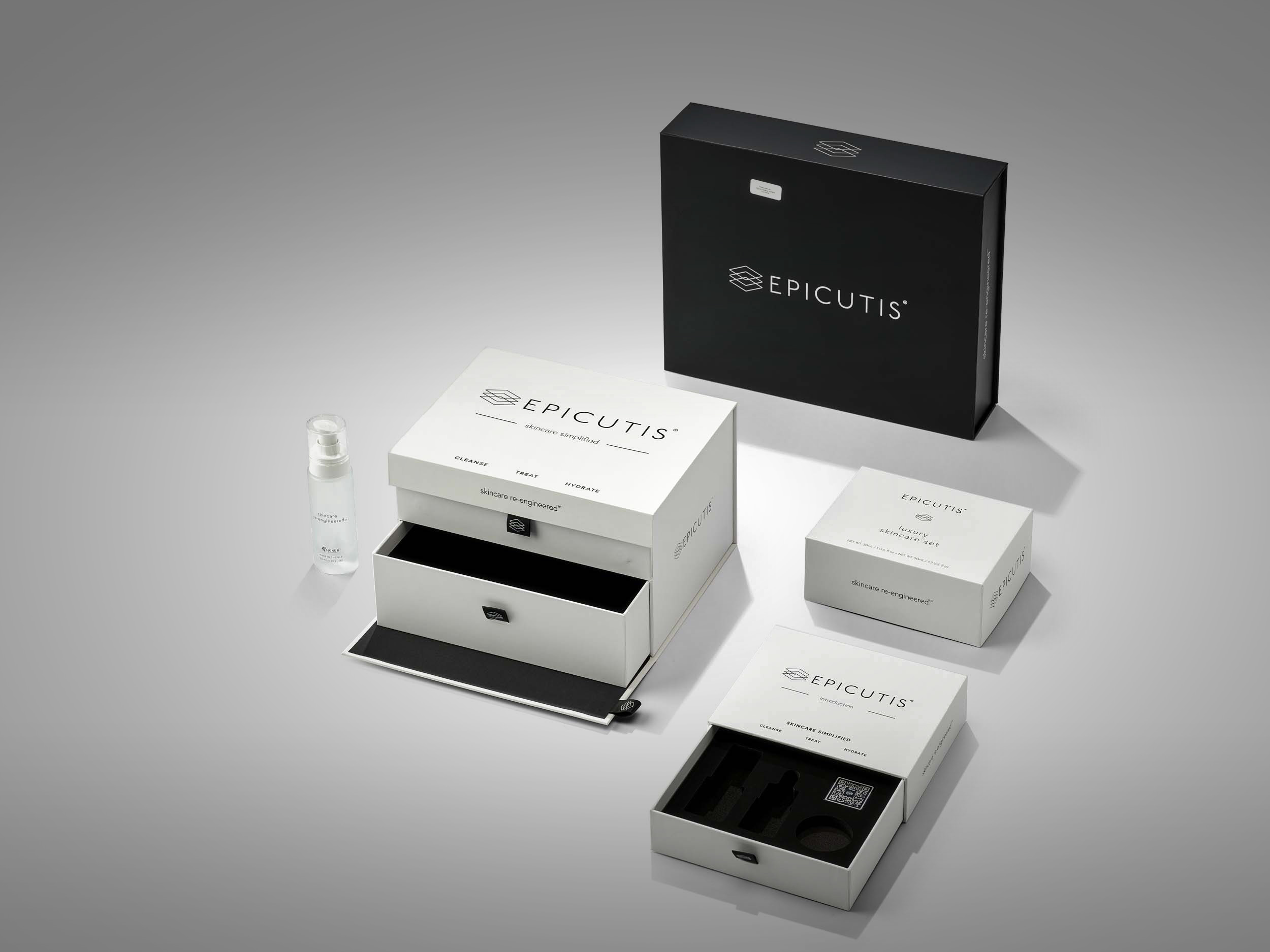
Managed Packaging Inventory: How Scaling Brands Avoid Urgent Freight
A managed packaging inventory program pre-positions packaging so launches, replenishment, and co-manufacturer needs are not blocked by every new procurement cycle.
Read Article →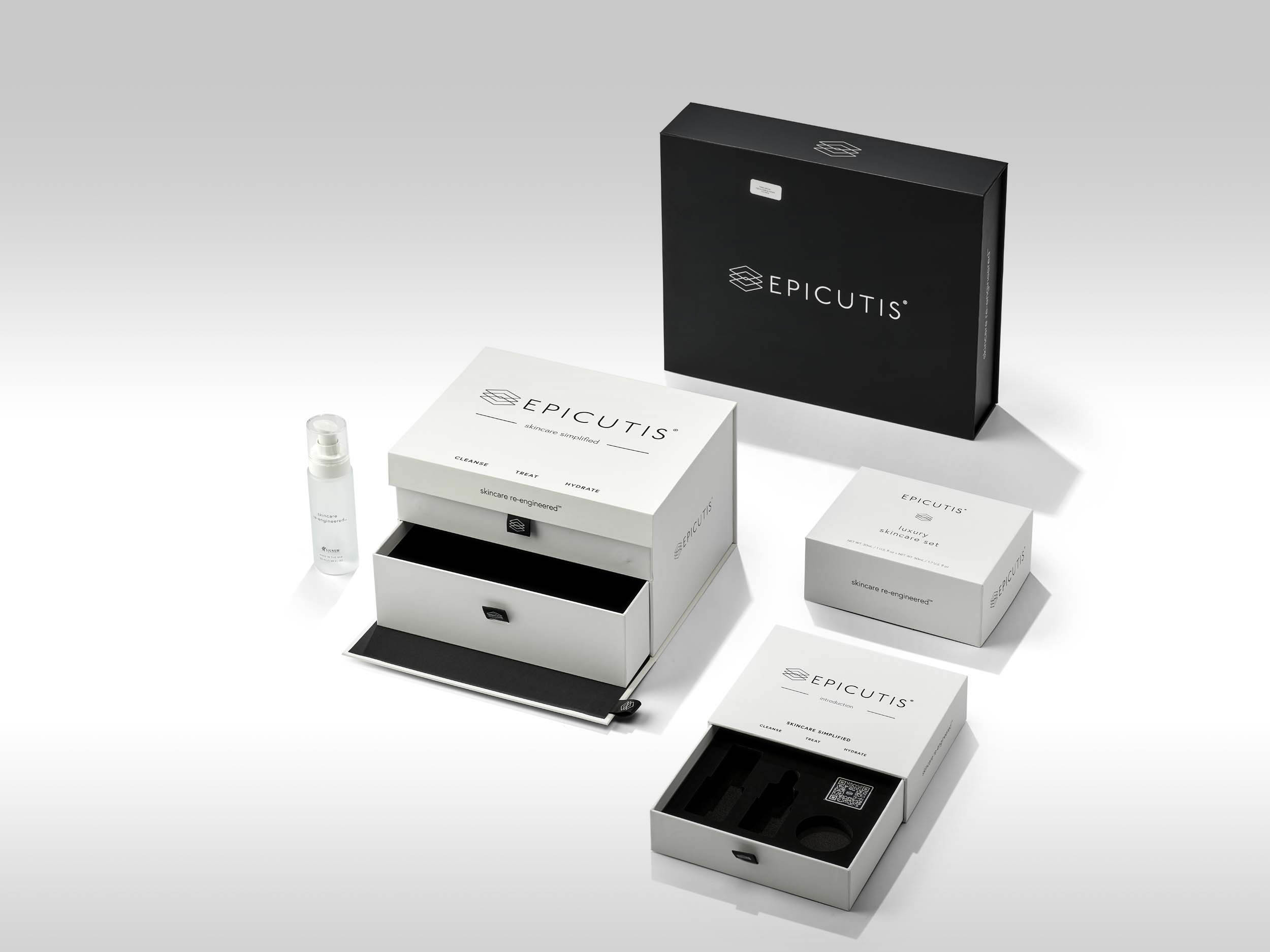
Packaging Operations: The System Behind SKU Growth
SKU growth breaks when packaging is treated as one-off purchasing instead of an operating system across sourcing, inventory, landed cost, and replenishment.
Read Article →
Quality Containment Before Supplier Replacement
Quality containment protects existing inventory and customer-facing product while a brand investigates supplier issues or qualifies a replacement manufacturer.
Read Article →DTC vs Retail Margins: What Founders Discover After the First PO
A brand healthy at 65–70% DTC gross margin can land at 20–40% contribution margin in retail. Here’s the full cost stack — and how to model it before you say yes to a buyer.
Read Article →How to Get Your Products Into Target, Walmart, and Costco
Getting products into retail stores takes 12–18 months. The brands that make it through prepare operations before the pitch, not after the buyer says yes.
Read Article →Retail 3PL Readiness: The DTC-to-Retail Failure Point
Most DTC-to-retail supply chain failures start with the 3PL. The retail fulfillment checks to run before signing a first PO.
Read Article →The Complete DTC-to-Retail Transition Checklist (60-Point Pre-PO Guide)
Six operational categories: GS1 setup, EDI, case packs, routing guide compliance, wholesale margins, and inventory planning. Brands that miss these absorb $50K–$200K in first-year mistakes.
Read Article →The First 90 Days in Retail: An Operations Playbook
The first 90 days determine whether you earn a reorder or create operational noise. A week-by-week playbook for compliance, shipping, sell-through, and replenishment.
Read Article →What Retailers Actually Want from Emerging Brands
Retail buyers evaluate category fit, margin structure, velocity proof, operational readiness, and compliance documentation before placing a first PO.
Read Article →Retail Routing Guide Compliance: What Every Brand Gets Wrong
Routing guide compliance means shipping exactly the way a retailer tells you to ship. Most brands get it wrong because nobody reads the full guide before the first PO moves.
Read Article →EDI Setup for Small Brands: A Plain-English Guide
EDI setup costs $150–$500/month and takes 4–8 weeks. Here’s what the four core transactions do, how to avoid the most expensive mistakes, and which providers work best for small brands.
Read Article →EDI Compliance: Maintaining Your Retailer Scorecard After Go-Live
Most brands get the initial setup right. Where compliance breaks down is months 3–12, when oversight drops and the retailer’s compliance team is watching more closely than the brand is.
Read Article →
Retail Chargeback Prevention: The Pre-Shipment Audit Every CPG Brand Needs
The most expensive chargebacks are the ones you paid for twice — once for the violation, once to fix the process. Prevention is cheaper than response. By a significant margin.
Read Article →Retail Inventory Planning: Building the 90-Day Forecast Before Your First PO
Retail inventory planning means building a 90-day model before the first PO ships: pipeline fill, safety stock, reorder trigger, and production lead time. Month one looks fine. Months 4–6 are where weak planning shows up.
Read Article →Inventory Management for Beauty Brands
Beauty inventory is harder than most CPG categories — shade proliferation, expiration dates, 12–16 week lead times, and multi-channel demand. Here’s the framework that actually works.
Read Article →How to Switch 3PLs Without Losing a Retail Account
Switching 3PLs is an operating-system migration, not a vendor change. The mistake is moving inventory before proving the order flow. Here’s the parallel-run transition plan.
Read Article →How Operations and Packaging Work Together to Scale a Brand
Case pack configuration affects freight cost. Material selection affects returns. Packaging dimensions affect warehouse efficiency. Brands managing these in silos typically absorb significant hidden costs.
Read Article →Packaging Partner vs. Packaging Vendor: Why the Distinction Determines Your Margins
A vendor produces what you spec. A partner shapes the decisions before the spec exists. The vendor model works for commodity packaging. The partner model is the difference between hitting your retail launch and missing it.
Read Article →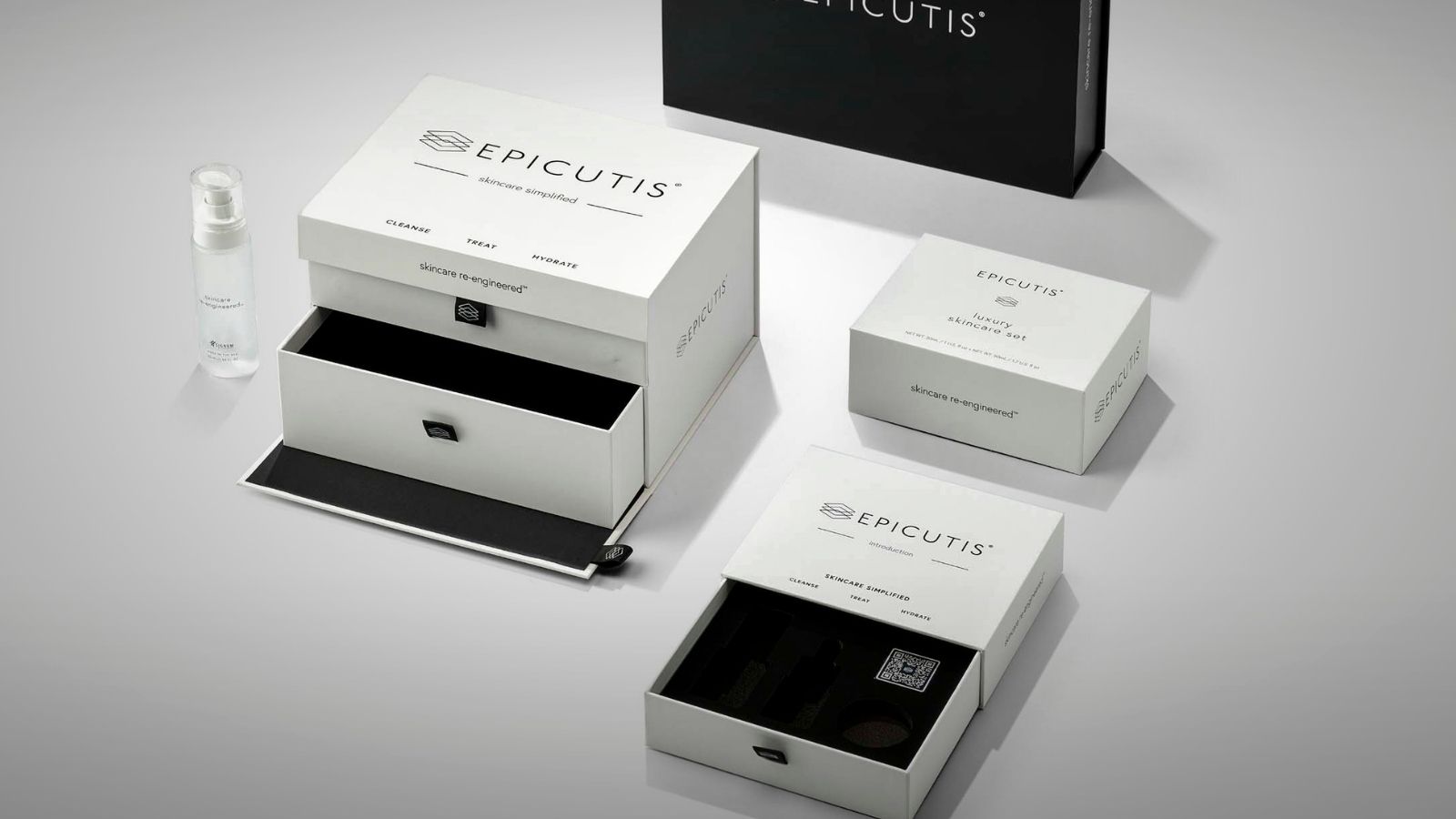
How to Reduce Packaging Costs Without Sacrificing Brand Quality
Seven proven levers for reducing CPG packaging costs without downgrading the brand experience — DIM weight, finish engineering, vendor consolidation, and more. Artilect achieved 20% cost reduction without consumer-facing changes.
Read Article →Packaging Cost Per Unit Benchmarks by Category
Beauty and skincare: $1.50–$8.00 per unit. Food and beverage: $0.30–$3.00. Supplements: $0.80–$4.00. Consumer electronics: $2.00–$12.00. Real ranges by category with COGS guidance.
Read Article →How to Source Packaging Overseas: A Practical Guide
International packaging typically runs an estimated 30–60% less per unit than domestic equivalents. The full sourcing cycle runs 16–24 weeks. Here’s every step from RFQ to customs clearance.
Read Article →Vendor Diversification: When and How to Stop Single-Sourcing
Single-source supply chains break. When they do, the cost is a missed retail launch or a stockout on your hero SKU. The 80/20 dual-sourcing framework for CPG brands.
Read Article →What a Supply Chain Audit Actually Finds
A supply chain audit identifies where growth is being slowed by hidden cost, supplier risk, inventory gaps, and freight waste. At Logic Agency, it starts the same way every time: show us the last 12 months of landed cost by SKU.
Read Article →The Supply Chain Tech Stack for Scaling CPG Brands
Five systems cover roughly 90% of what a $5–20M CPG brand needs: OMS, WMS, EDI provider, forecasting tool, supplier portal. Each has a clear revenue trigger. Get the sequence right and you build operational leverage.
Read Article →What Happens in the First 30 Days of Fractional Ops
The first 30 days of fractional supply chain operations should create visibility, stabilize vendors, find cost leaks, and define ownership.
Read Article →The Hidden Cost of Hiring Ops Too Early
Hiring a VP of Operations too early can create six months of cleanup, wrong-level scope, and fixed cost before a CPG brand knows the role.
Read Article →