Key Takeaways
- A global product is not automatically US-retail ready.
- Packaging adaptation, compliance, routing, EDI, inventory, and buyer materials have to move together.
- Expo and buyer meetings work better when the operating path behind the pitch is credible.
- US retail entry creates channel-specific requirements that DTC or international systems may not cover.
- The safest launch plan connects packaging, supply chain, retail compliance, and commercial timing.
Market-entry pattern: global brand, US retail rules
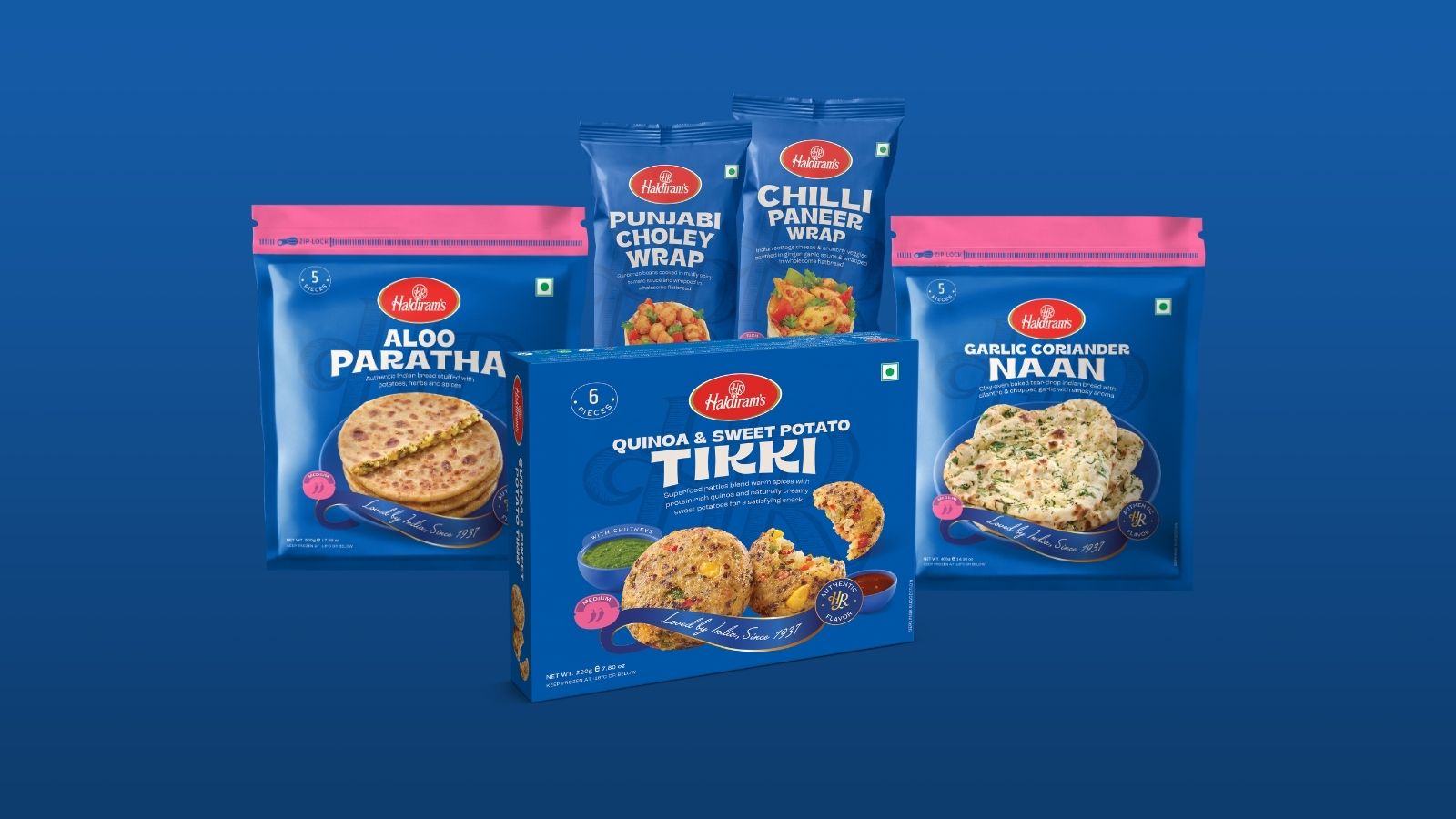
Logic site materials reference global-brand US market-entry work involving packaging adaptation, supply chain buildout, Expo West launch planning, and retail compliance. The broader lesson: US retail entry is an operations project before it is a sales push.
What Is US Market Entry Retail Operations?
US market entry retail operations are the systems a global brand needs to sell into American retail without creating avoidable compliance, packaging, logistics, or replenishment problems.
The work includes packaging adaptation, item setup, UPCs, case packs, retailer compliance, distributor readiness, EDI, freight planning, inventory allocation, and buyer-facing launch materials.
The product may already be successful internationally. That does not mean the US operating model is ready.
Packaging Is Usually the First Translation Layer
Packaging has to translate the product for the US channel. That can mean regulatory copy, nutrition or ingredient panels, claims review, pack size, shelf presentation, case configuration, pallet patterns, and retailer-specific requirements.
The mistake is treating adaptation as a graphic-design update. The packaging also has to support compliance, freight, warehouse handling, and retail shelf execution.
If the packaging is not operationally ready, the retail pitch is fragile.
Buyer Readiness Depends on Operational Credibility
US buyers do not only evaluate product appeal. They evaluate whether the brand can ship, replenish, comply, and support the channel.
That means the launch story needs operational backing: lead times, inventory plan, distributor path, retail price architecture, margin model, packaging readiness, and a clear answer for who owns execution.
A strong pitch without operational readiness creates risk for both the brand and the buyer.
Expo West and Trade Shows Are Not the Finish Line
Trade shows can create attention, but attention is not retail readiness. The brand still needs follow-up materials, samples, buyer routing, pricing, logistics answers, and the ability to move from conversation to execution.
The most useful trade-show prep connects product story with operational proof.
That is especially important for global brands entering the US because the buyer may already like the product but still need confidence in the local supply chain.
The Workstream Should Be Integrated
US market entry should not split packaging, sourcing, retail compliance, and launch planning into separate disconnected projects.
The case pack affects freight. Freight affects margin. Margin affects buyer terms. Buyer terms affect inventory. Inventory affects launch timing. Packaging affects all of it.
That is why Logic treats market entry as an integrated operating system, not a list of vendor tasks.
Implementation Checklist
- Confirm US packaging, claims, labels, UPCs, and case-pack needs.
- Build retail margin and landed-cost assumptions before buyer commitments.
- Map distributor, warehouse, EDI, and routing requirements.
- Prepare buyer materials with operational answers, not just product story.
- Create a launch timeline that links packaging, inventory, samples, and retail follow-up.