Key Takeaways
- SKU growth creates packaging complexity before most brands have the team to manage it.
- Packaging operations connect sourcing, inventory, landed cost, co-manufacturers, and launch timing.
- The risk is not just bad packaging. It is delayed replenishment, unclear costs, and operational drag.
- A packaging system should mature before the SKU count forces it to.
- The strongest systems make growth easier to manage without adding unnecessary headcount.
Epicutis: from packaging request to operating system
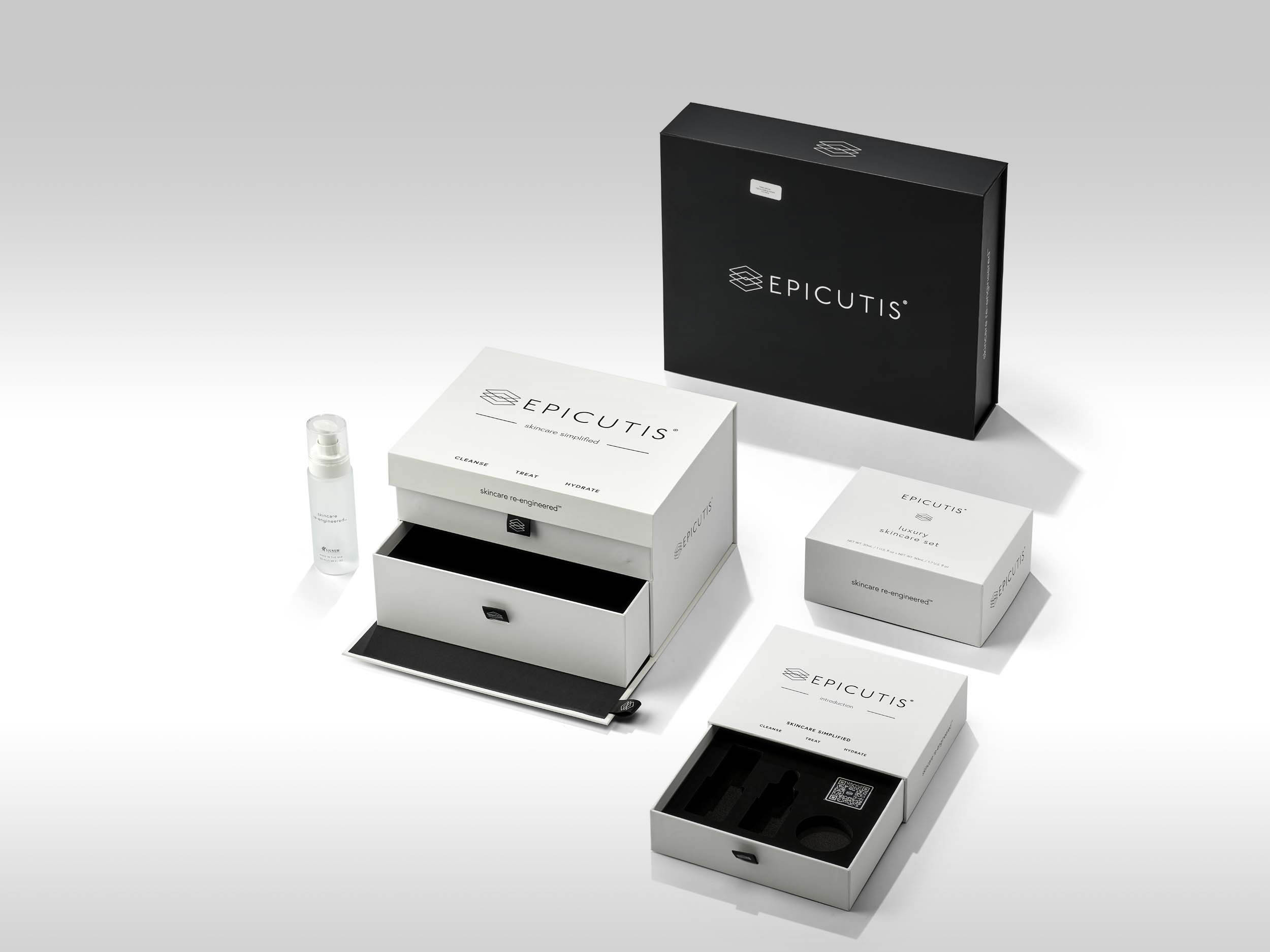
Epicutis expanded from a narrow packaging request into a broader packaging and operations relationship. The work supported SKU growth, inventory availability, landed-cost clarity, and more predictable replenishment.
SKU Growth Is an Operations Problem
SKU growth looks like a product decision from the outside. Internally, it is an operations problem.
Every new SKU adds packaging specifications, supplier coordination, landed-cost allocation, inventory tracking, and replenishment timing. If the packaging system does not mature with the product line, growth creates friction instead of leverage.
That is why brands with strong sales momentum can still feel stuck. The demand is there. The operating system behind the packaging is not.
Packaging Touches More Teams Than Founders Expect
Packaging is not just a box. It touches finance, purchasing, freight, co-manufacturing, warehousing, retail compliance, and customer experience.
The dimensions affect freight. The material affects damage risk. The MOQ affects cash. The lead time affects launch planning. The cost allocation affects SKU profitability. The label and case pack affect retail readiness.
Treating packaging as a design or procurement task misses the way it behaves once the brand starts scaling.
The Epicutis Case: Complexity Grew With the Brand
Epicutis started with a simple packaging need. As the relationship expanded, Logic supported packaging development across SKUs, displays, primary packaging, and secondary packaging.
The deeper value was not only packaging creation. It was the operating layer around packaging: managed inventory, cleaner landed-cost visibility, and a more predictable ordering rhythm.
That matters because the brand could support more packaging complexity without forcing its lean internal team to carry every operational detail directly.
What a Packaging Operations System Includes
A real packaging operations system includes a component library, supplier roster, RFQ history, approved specs, lead times, MOQs, landed cost by SKU, inventory location, reorder triggers, QC standards, and launch timing.
Those pieces do not need to be complicated. They need to be visible and owned.
If no one owns the full system, the gaps show up between teams: supplier to warehouse, warehouse to co-manufacturer, product team to finance, or launch calendar to purchasing.
The Goal Is Growth Without Operational Drag
The right packaging operations system makes SKU growth easier to manage. It does not remove complexity. It organizes it.
That means new packaging decisions can be made with better information: cost, lead time, inventory, quality, supplier capacity, and retail constraints.
For scaling brands, this is the difference between adding SKUs and absorbing SKU chaos.
Implementation Checklist
- Document the current operating risk in one sentence.
- Identify the owner for supplier, inventory, freight, and finance decisions.
- Link the issue to one business consequence: margin, availability, launch timing, or customer perception.
- Create a 30-day action plan before adding more analysis.