How Logic Helped Epicutis Build the Packaging System Behind a Larger Growth Plan
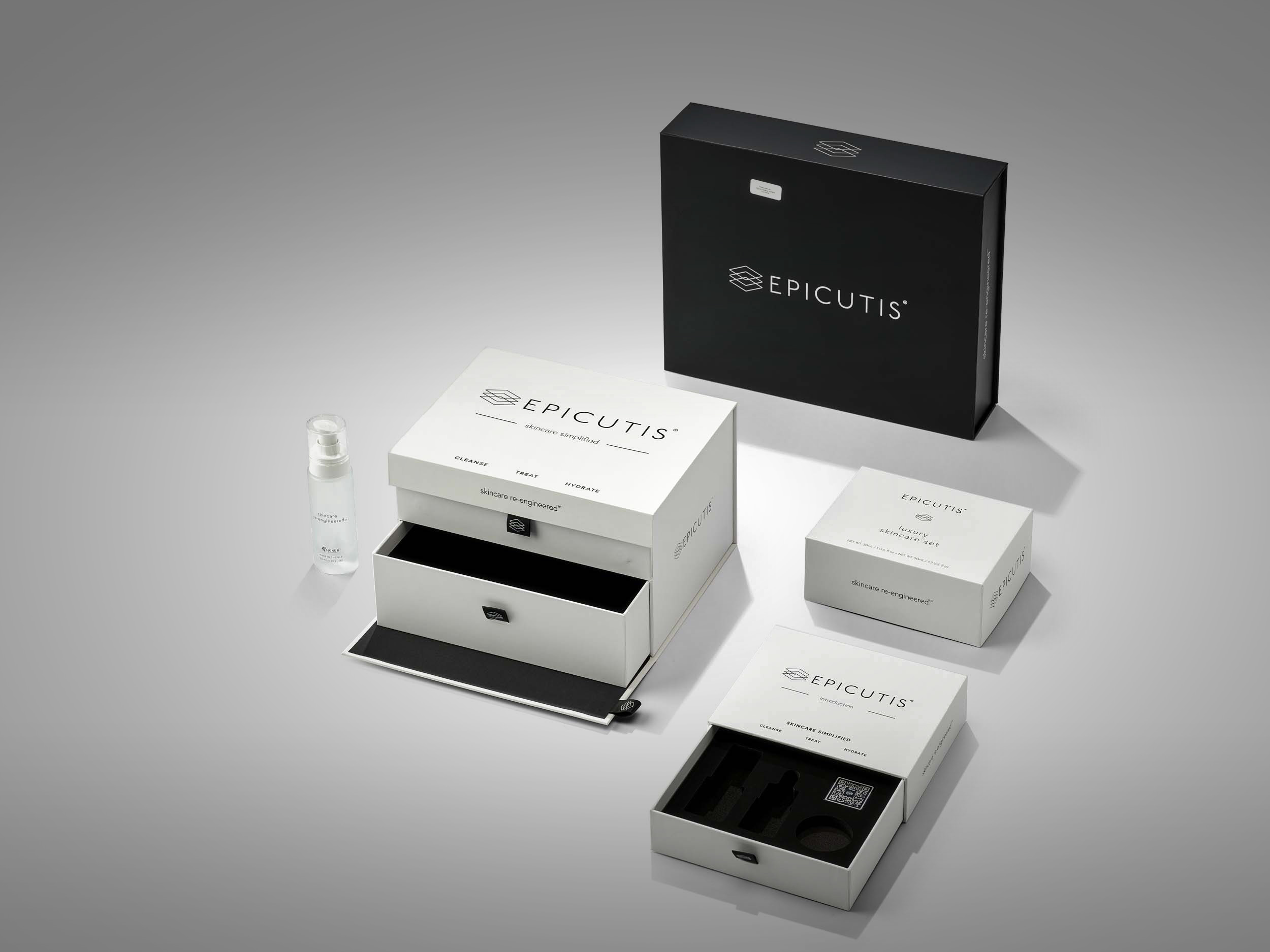
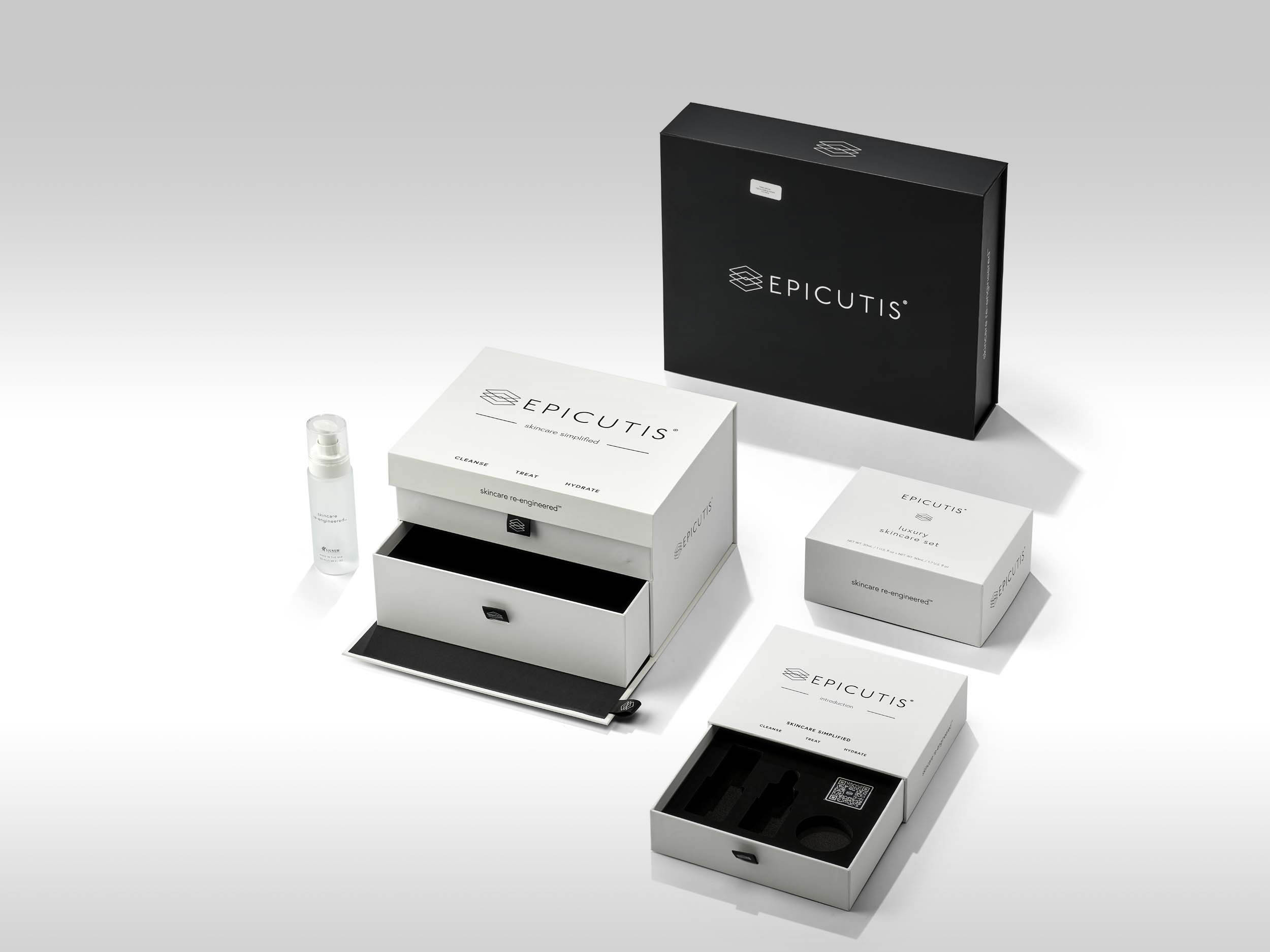
Epicutis came to Logic with a box to hold two things. The relationship expanded into packaging development, managed inventory, and logistics infrastructure that let the brand grow its SKU line and unit volume without growing its operations team.
Jordan Harper, Logic Agency Inc.
Updated Jun 2026
Packaging & Supply Chain
Beauty / Skincare
Multi-Year Partnership
Epicutis
3 - 21+
SKU growth supported
through packaging operations
7 days
Inventory gap coverage
vs. 30-60 day prior timeline
Lean team
Internal headcount maintained
throughout SKU expansion
The Challenge
Epicutis did not start as a broad operations engagement. The original ask was simple: make a box to hold two things. That was the door.
Behind it was a much bigger operating problem. As Epicutis grew, packaging complexity grew with it. More SKUs. More displays. More primary and secondary packaging. More inventory decisions. More packaging needed to be positioned before launches, replenishment windows, and co-manufacturer needs could move.
The brand was still running lean, which was part of its strength. But that same lean structure created pressure as the SKU footprint expanded. Every packaging decision now touched more workflows: procurement, landed cost, co-manufacturer coordination, and freight timing.
The problem was not packaging design. It was the operating system behind packaging: the system that determines whether growth can keep moving when the packaging footprint gets more complex.
What Logic Did
Logic's role expanded as Epicutis grew. The work included packaging development across SKUs, displays, primary packaging, and secondary packaging. But the deeper value was operational: Logic helped manage more complexity, improve packaging availability, and support growth without the brand having to build a larger internal team around it.
1
Packaging Development
Packaging design and sourcing across new SKUs, displays, primary packaging, and secondary packaging, executed through Logic's global supplier network and managed through a consistent quality and timeline framework.
2
Managed Inventory Program
Logic created a managed inventory program out of its Salt Lake City warehouse. Logic purchased packaging, landed it, held it, and released it as the business needed, so Epicutis could pull inventory within days rather than triggering a new procurement cycle each time.
3
Landed Cost Clarity
As SKU count grew, Finance had increasing difficulty tracking which packaging costs belonged to which items. Logic helped create cleaner landed-cost visibility across the packaging portfolio, reducing allocation confusion and improving cost accountability.
4
Logistics Normalization
Logic supported a normalized packaging ordering cycle that reduced dependence on urgent air shipments driven by planning constraints. Packaging moved through a predictable logistics model instead of urgent freight becoming the fallback when inventory tightened.
Before & After: Packaging Operations Model
Area
Before Logic
After Logic
Inventory access
30-60 day procurement cycle per need
7-day gap coverage from SLC warehouse
Urgent freight
Air shipments driven by poor planning
Normalized bulk ordering, predictable logistics
Landed cost visibility
Unclear allocation across growing SKUs
Clean cost tracking per item
Internal headcount
Scaling pressure as complexity grew
Lean team maintained throughout
Co-manufacturer supply
Excess inventory held on production floor
Just-in-time delivery from Logic warehouse
Factory
→
SLC Warehouse
→
Co-Manufacturer
The Impact
The outcome across the Epicutis relationship is that Logic helped the brand support a significantly larger packaging footprint: more SKUs, more packaging complexity, larger unit volume, without requiring the internal team to grow proportionally around it.
3 - 21+
SKUs supported
7 days
Inventory gap coverage
Lean
Team structure maintained
The managed inventory program removed the planning friction that had been driving urgent air freight and replenishment gaps. The normalized ordering cycle gave the business more predictable logistics. The landed cost structure gave Finance cleaner data as the SKU portfolio grew.
The value was not just that Logic could design or source packaging. The value was that Logic could carry part of the operating load behind packaging: inventory, landed cost, replenishment, freight timing, and supplier coordination.
Why This Matters for Similar Brands
Packaging becomes more complicated as a brand grows. At the beginning, the problem is usually simple: make the box, hit the launch, get product out the door. At scale, packaging becomes an inventory problem, a co-manufacturer problem, a replenishment problem, and a launch calendar problem.
The brands that navigate this well are the ones that recognize the shift early and find a partner who can carry the operating load, not just the design work. Logic's role with Epicutis was to turn packaging from a recurring urgent problem into a system the brand could grow through instead of around.
If your packaging system still depends on urgent orders, air freight, unclear landed costs, and co-manufacturers holding excess inventory, the packaging is not just expensive. It is slowing growth down.
Frequently Asked Questions
A managed packaging inventory program means Logic purchases and lands packaging at its warehouse on the brand's behalf, then releases it as production, replenishment, and launch needs arise. Instead of every packaging need triggering a new procurement cycle, inventory is pre-positioned and available within days.
By normalizing the packaging ordering cycle. When packaging is pre-positioned in a U.S. warehouse, brands can order in bulk, allocate to production on a predictable cadence, and avoid the planning failures that force expensive air shipments at the last minute.
When packaging complexity starts slowing down launches and replenishment. The signals: urgent freight becoming a regular cost, unclear landed costs across SKUs, co-manufacturers holding excess inventory, and the founder or ops team managing packaging procurement directly.
Yes, when the packaging and inventory operating load is carried by a fractional operations partner. Logic handles supplier coordination, inventory planning, landed cost tracking, and co-manufacturer replenishment so the brand's team can focus on product and growth.
Execution, not just recommendations. Logic owns the vendor relationships, manages inventory, runs the replenishment system, coordinates with co-manufacturers, and is accountable for packaging availability across launches and restocks. It is fractional operations, not consulting.
Is your packaging system ready for the next stage?
Most brands find out it isn't during a launch or a retail PO. Tell us where the friction is and we'll be honest about what it takes to fix it.