Key Takeaways
- Quality containment is the first operating move when supplier issues are already in the system.
- A replacement supplier does not fix inventory that has already been produced.
- Containment protects customers while the root cause and next supplier path are addressed.
- The process should define inspection standards, disposition rules, documentation, and ownership.
- Containment is not a long-term fix. It is the bridge that prevents current risk from becoming customer-facing.
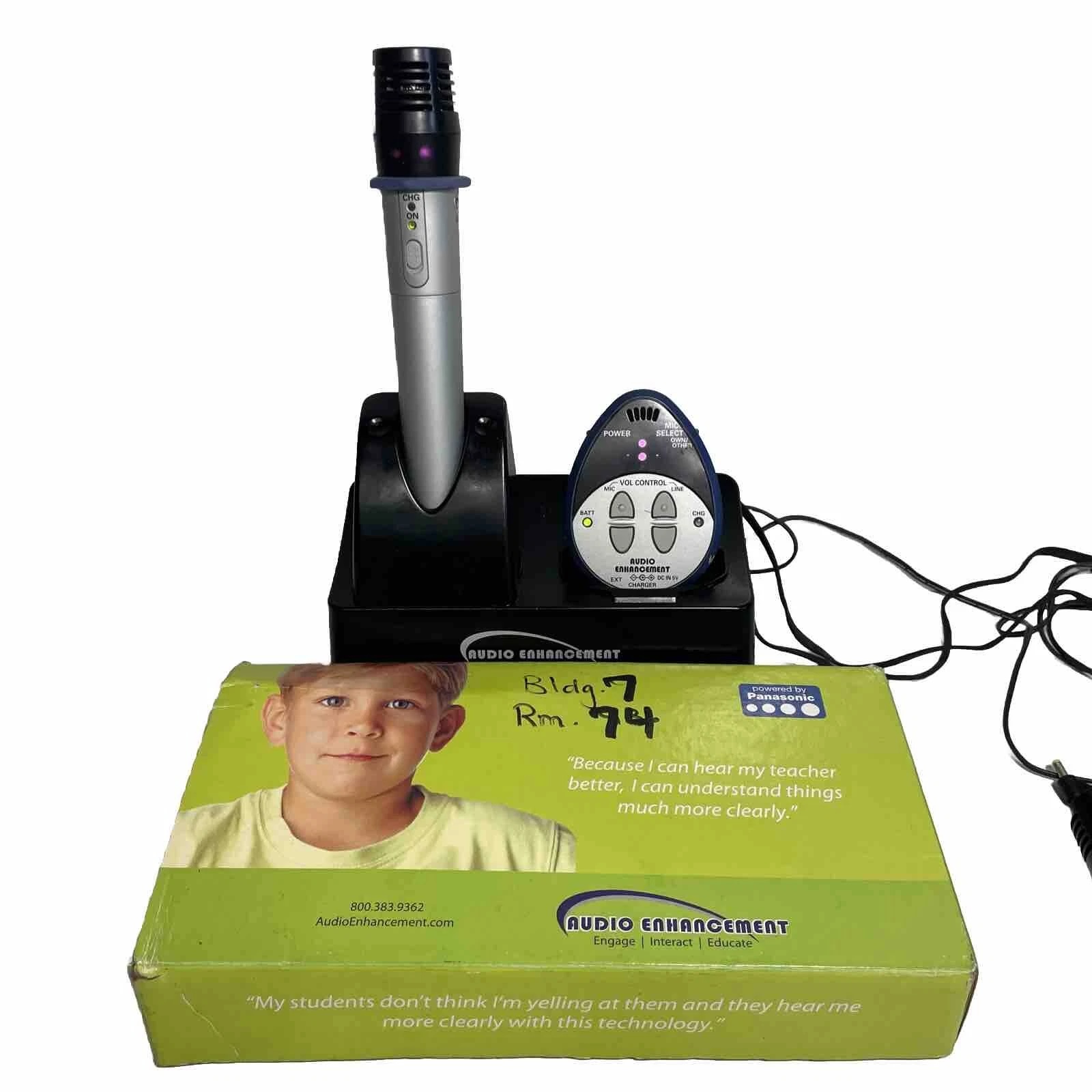
Audio Enhancement: protect current product while changing supplier paths
Logic helped Audio Enhancement create an interim QC process around existing product while a stronger manufacturing path was developed. The work protected product consistency during the supplier transition.
What Is Quality Containment?
Quality containment is the temporary operating process used to stop nonconforming product from reaching customers while the brand investigates the supplier issue or changes the production path.
It usually includes inspection, sorting, documentation, quarantine, rework decisions, and clear rules for what can move forward.
In a supplier transition, containment matters because the brand still has product in motion. The new supplier path may take weeks. Customers cannot wait for the root cause analysis.
Why Containment Comes Before Replacement
Replacing a supplier solves a future supply problem. It does not solve the inventory already produced.
If existing inventory is not contained, the brand can keep shipping the same defect while leadership is focused on the next factory. That creates a trust problem with customers and a coordination problem internally.
Containment buys control. It gives the team a way to protect current product while the longer-term supplier decision is made.
What a Containment Process Should Include
A containment process needs inspection criteria, trained reviewers, pass/fail rules, documentation, escalation paths, and a clear disposition for each unit.
The process should answer practical questions: what is acceptable, what is rejected, who decides, where rejected units go, what gets reworked, and what gets shipped.
Without those rules, QC becomes opinion-based. That creates inconsistency inside the process meant to fix inconsistency.
The Audio Enhancement Lesson
Audio Enhancement had a visible component issue. The supplier transition mattered, but the immediate risk was current product quality.
Logic helped build a QC process around existing components so product could keep moving without allowing visible inconsistency to reach the customer.
That is the core lesson: a supplier transition needs a bridge. Containment is the bridge.
When Containment Should End
Containment is not meant to become permanent. If a brand needs ongoing extraordinary inspection to make a supplier usable, the supplier model is probably wrong.
Containment should end when the root cause has been corrected, a new supplier has been validated, or the product has moved to a stable production path.
The goal is not more inspection forever. The goal is a supply system that produces to standard without constant emergency control.
Implementation Checklist
- Document the current operating risk in one sentence.
- Identify the owner for supplier, inventory, freight, and finance decisions.
- Link the issue to one business consequence: margin, availability, launch timing, or customer perception.
- Create a 30-day action plan before adding more analysis.