Key Takeaways
- Packaging design and supply chain cannot stay separate once speed, cost, compliance, and launch timing matter together.
- The split model creates handoffs between creative, suppliers, factories, freight, finance, and retail requirements.
- A true partner owns the path from concept to production, not just the design file or RFQ.
- Integrated ownership reduces delays caused by specs that look good but do not source, ship, or scale well.
- The right partner should protect brand feel and operational reality at the same time.
Transcript-backed pattern: the split model creates handoffs
A discovery call with a global skincare business showed the recurring problem: suppliers could manufacture, but they did not provide the design, artwork, supply-chain ownership, and launch coordination the brand needed in one system.
What Is a Packaging Design and Supply Chain Partner?
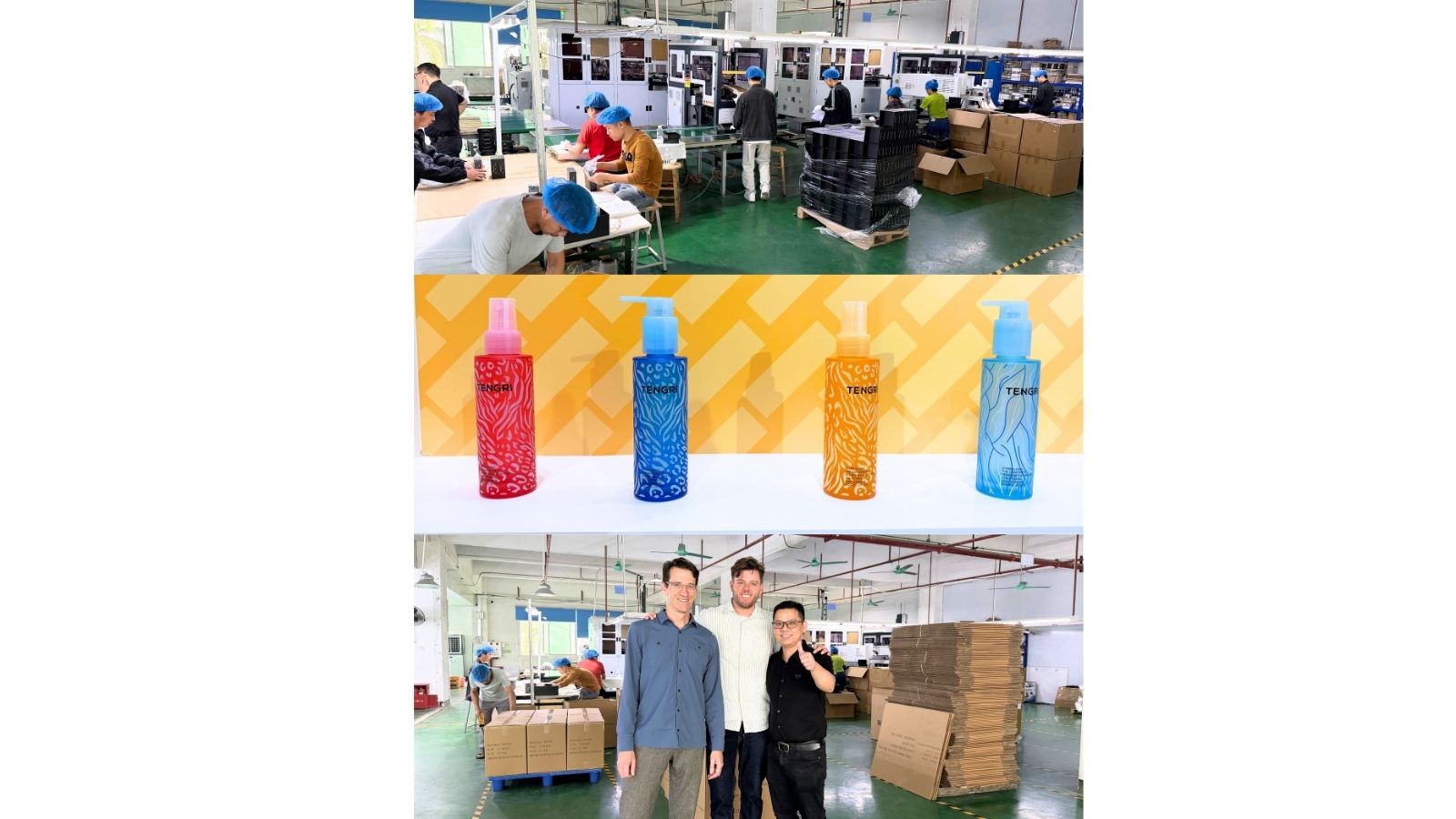
A packaging design and supply chain partner helps a brand connect creative packaging direction with sourcing, engineering, production, cost, quality, inventory, and launch execution.
The partner is not just a designer and not just a supplier. The role is to make sure packaging can be designed, sourced, produced, shipped, and used in the channel it is built for.
That matters because the customer only sees the final package. The brand has to manage everything behind it.
Where the Split Model Breaks
The split model usually breaks between design and production. A creative team builds something compelling. A supplier quotes something different. Operations finds a freight or MOQ issue. Finance sees margin pressure. The launch calendar keeps moving.
Every handoff creates translation risk.
The more SKUs, markets, claims, and channels the brand has, the more expensive those handoffs become.
Why Suppliers Often Cannot Fill the Gap
Many suppliers are built to manufacture what is specified. They are not built to lead brand strategy, artwork systems, cost engineering, retail readiness, or cross-SKU architecture.
That does not make them bad suppliers. It means they are operating in the wrong role if the brand needs strategic packaging ownership.
Brands need to know whether they are buying production capacity or full packaging leadership.
What Integrated Ownership Looks Like
Integrated ownership means the same operating team understands brand intent, specs, supplier options, material tradeoffs, landed cost, lead time, quality control, and launch requirements.
A change in material gets evaluated for brand feel, price, availability, sustainability, durability, freight, and production timing.
That is the level of coordination brands need when packaging becomes part of growth infrastructure.
When to Make the Switch
The switch makes sense when packaging delays are slowing launches, supplier options are unclear, costs are rising, design files are not translating into production, or internal teams are spending too much time coordinating vendors.
It also makes sense when the brand is entering retail or expanding SKUs, because packaging decisions start affecting compliance, freight, inventory, and margin.
At that point, a partner model is not a luxury. It is an operating control system.
Implementation Checklist
- Identify every handoff between design, sourcing, production, freight, and launch.
- List which packaging decisions currently lack a clear owner.
- Review whether current suppliers provide strategy or only production capacity.
- Evaluate packaging concepts against cost, lead time, quality, and channel requirements.
- Move ownership to one integrated partner when handoffs become the bottleneck.